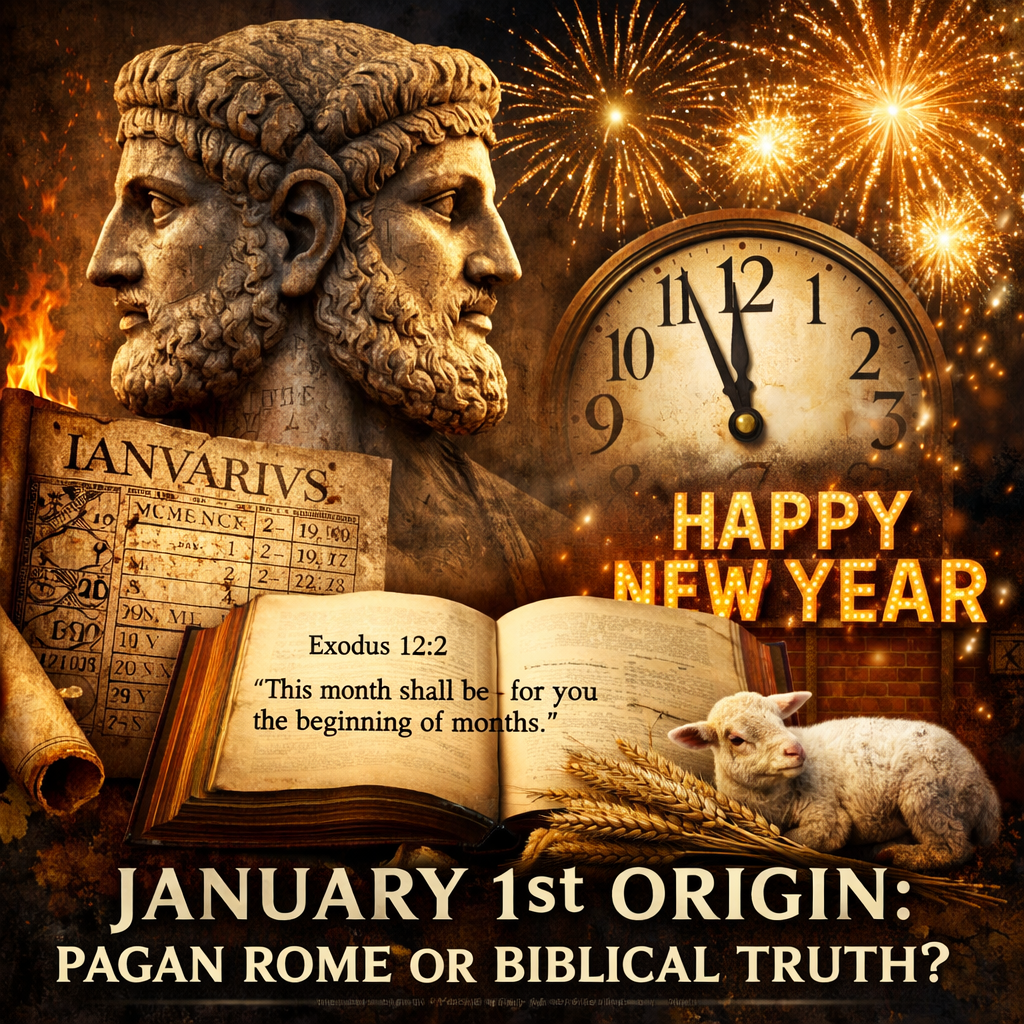
Should Christians Observe the Modern New Year?
I. Who Decides When the Year Begins? (Biblical Authority vs Roman Authority)
One of the least questioned assumptions in modern Christianity is the calendar. Most believers instinctively treat January 1st as the new year – a fresh start, a reset, a chance to “do better.” But Scripture does not, and God does not leave beginnings and endings to human invention.
In the Bible, God defines the start of the year, not Rome, not culture, not tradition.
“This month shall be for you the beginning of months. It shall be the first month of the year for you.” (Exodus 12:2)
This declaration occurs in the context of Passover, redemption, and deliverance. The biblical year begins in spring, during the month of Abib (later called Nisan) (roughly March-April). This aligns with creation itself: planting, birth, renewal, and forward motion. Biblically, a new year begins when life begins moving again.
By contrast, January 1st begins the year in mid-winter, a season associated with dormancy, death, and survival rather than growth. God consistently ties renewal to life, not decay.
The modern Christian calendar is largely inherited from Rome, not Scripture. While God’s people were commanded to keep Sabbaths and feasts that marked time according to covenant rhythms, Rome developed a bureaucratic calendar designed for empire management, taxation, and civil control. When Christianity later merged with Roman authority, the Church absorbed Rome’s calendar rather than correcting it.
This matters because time is important, whoever defines the calendar defines when people reset, when they reflect, when they repent, when they celebrate and when they rest. In Scripture, those rhythms belong to God. The question is not whether Christians can acknowledge January 1st as a date on a civic calendar. The question is whether believers should spiritually invest meaning, ritual, or renewal into something God never sanctified.
The Bible already provides a yearly renewal rhythm – Passover, Feast of Weeks, and Feast of Tabernacles – each tied to covenant, obedience, provision, and accountability. January 1st simply disrupts that rhythm.
Before asking whether New Year’s traditions are pagan, satanic, or harmless, Christians must first ask a more foundational question: Who has the authority to define beginnings? God – or Rome?
II. January, Janus, and the Pagan Rewriting of Time
January is not just any random winter month – it is named after a pagan god.
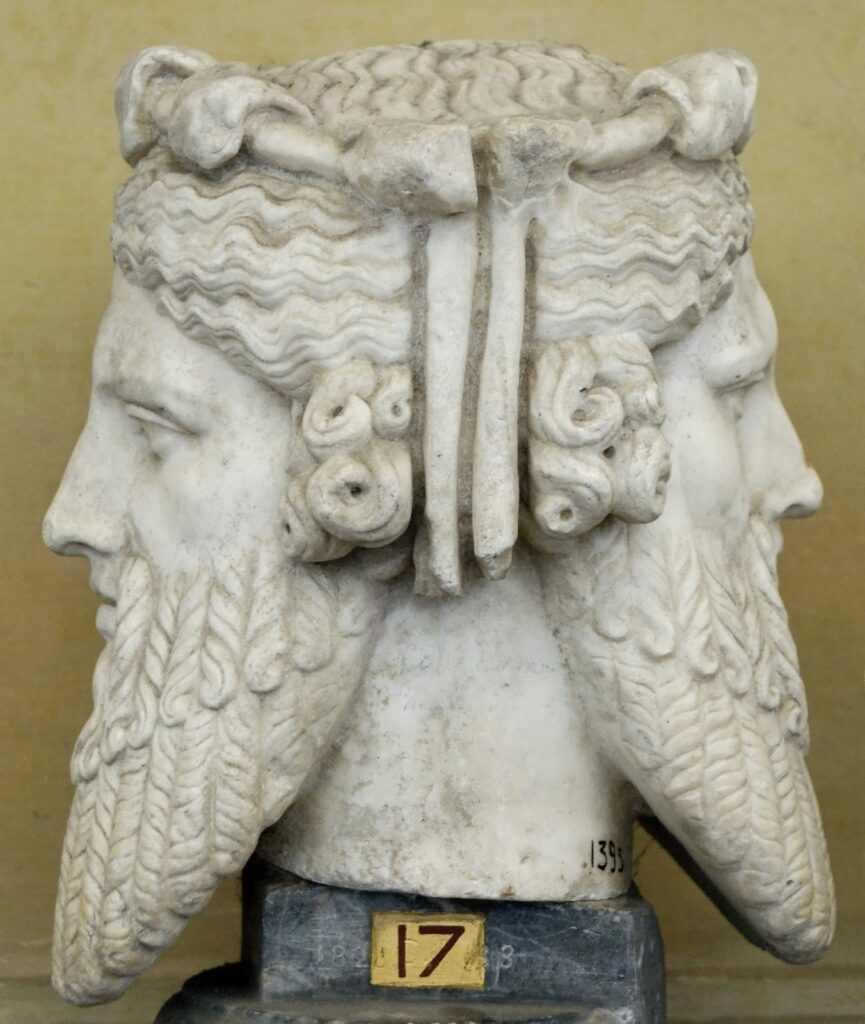
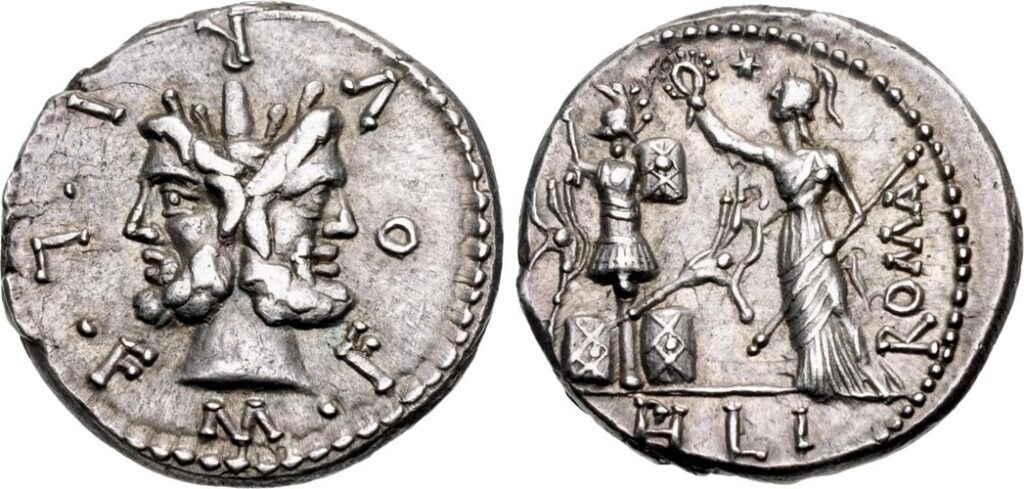
The month derives its name from Janus, a Roman deity associated with beginnings and endings, transitions, doorways and gates, threshold moments and looking backward and forward simultaneously.
Janus was commonly depicted with two faces, one facing the past, one facing the future. This symbolism is not incidental; it perfectly mirrors modern New Year language: “reflect on the past year” and “look ahead to the next.”
In ancient Rome, January 1st was not a secular event but a religious one. Offerings were made to Janus, vows were sworn, and favors were sought for the coming year. These rituals were intended to secure prosperity, success, and stability. New Year’s resolutions originate here.
Resolutions were not self-help exercises. They were vows – religious commitments made at temple gates. Biblically, vows are serious matters.
“When you make a vow to God, do not delay in fulfilling it.” (Ecclesiastes 5:4)
God never commands annual vows tied to January 1st. That practice originates in pagan religion. To be clear: modern Christians making resolutions are not knowingly worshiping Janus. But ignorance of origin does not make a practice acceptable. Scripture repeatedly warns God’s people not to adopt the forms of pagan worship, even if the names are changed.
Rome did not merely rename months, they reframed time itself, shifting renewal away from redemption and toward human willpower, optimism, and self-reinvention. That shift is theological, whether people want to acknowledge it or not.
January 1st is not evil because it is “demonic.” It is problematic because it represents subverted authority, a calendar shaped by pagan empire rather than divine command. When we make “New Years Resolutions” – we are making a vow to a pagan God in exchange for His blessing.
III. April, the Spring New Year, and the Origin of April Fool’s Day
Historically, many cultures (including large portions of Christian Europe) recognized the spring as the beginning of the year. Even after Rome began experimenting with January starts, New Year celebrations often occurred between March 25 and April 1, aligning with agricultural and biblical logic.
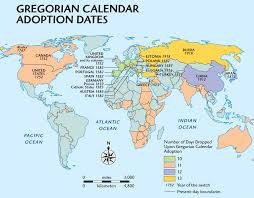
When the Gregorian calendar was imposed in the late 16th century, January 1st was standardized as the official New Year across Roman-aligned territories. Those who continued to celebrate the New Year in spring were mocked, pranked, and ridiculed. Over time, this ridicule became a tradition mocking Christians – what we now call April Fool’s Day.
April Fool’s Day is a cultural by-product of Rome enforcing calendar authority and shaming the Christians who resisted it. The real irony is those who maintained the older, life-centered New Year were labeled fools, while the winter-based Roman calendar became “normal.”
This episode of history highlights that calendar changes are not administrative but religious. They reshape identity, memory, and obedience. When Rome moved the New Year, it didn’t just change a date, it rewired cultural instincts about renewal, beginnings, and accountability. Biblically speaking, spring remains the only God-defined New Year. January 1st exists because Christians chose compromise over obedience – not because God revised His calendar.
IV. Is There Anything Satanic About the Modern New Year?
There is no biblical evidence that January 1st is a satanic holy day or that demons demand explicit worship through fireworks and countdowns. Claims to the contrary drift into speculation and weaken legitimate critique.
However, Scripture consistently portrays Satan as a counterfeiter, not an inventor. His strategy is inversion, imitation, compromise and substitution.
Consider the pattern:
God begins years in spring (life) – Rome begins years in winter (death), God ties renewal to redemption – Culture ties renewal to self-reinvention, God calls repentance through obedience – Culture calls repentance through willpower and optimism.
This is a counterfeit structure. Modern New Year celebrations are also marked by predictable moral patterns such as drunkenness, sexual immorality, disorder and the attitude of “One last night to sin before I get serious”.
Scripture condemns this pattern (Romans 13:13). While not satanic in the occult sense, it aligns with fleshly excess and lawlessness, not holiness. The danger is not demons hiding behind party hats. The danger is normalizing a pagan rhythm of renewal while ignoring God’s appointed ones.
V. What Should a Christian Household Do?
Christians are not commanded to observe January 1st. They are commanded to walk in discernment and faithful responses fall into three responsible categories:
1. Reject ritual participation
Treat January 1st as any normal day. No vows. No resolutions. No spiritual language.
2. De-ritualize it (Compromise less)
Acknowledge the calendar without assigning meaning or moral weight.
3. Re-anchor renewal biblically
Have a “new Years” celebration on April 1st, Tie reflection, repentance, and recommitment to it instead.
The goal is not isolation, it is alignment. Time belongs to God. When Christians passively inherit Rome’s rhythms without questioning them, they surrender authority they were never meant to.
New Year’s Day (January 1st) does not need to be feared, but it should no longer be treated as neutral once its origins are understood. The real issue is not Janus. The real issue is who gets to tell God’s people when a year begins.
And Scripture has already answered that question.
This was super educational.
Fireworks are always tied to Pagan celebrations.
GAY
Another satanic holliday